
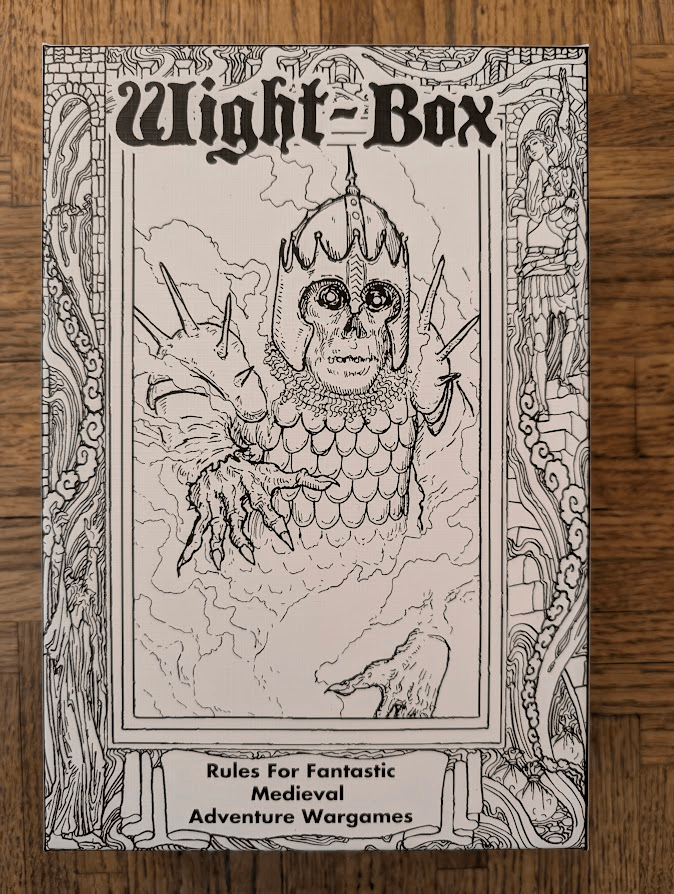
Two product reviews in a row. Things are getting wild here. I’m going to try to keep this short. Here is my product review of The Basic Expert’s Wight-Box.
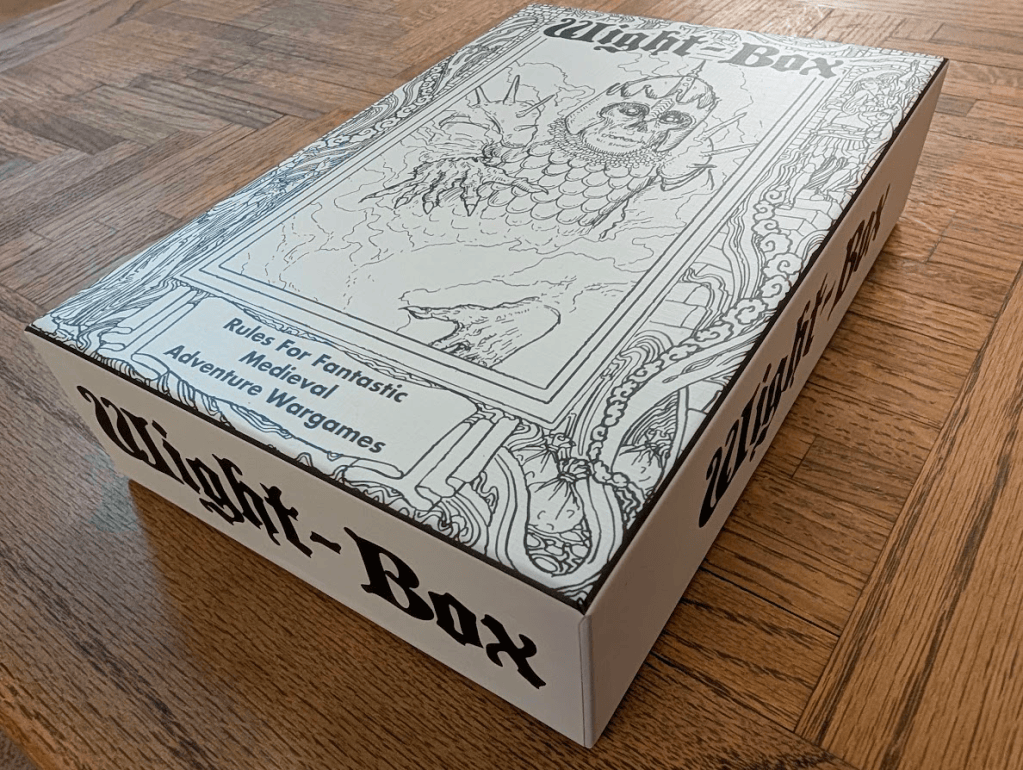
What’s in the box? The box contains: three rule books; a sheaf of twenty character sheets; a set of polyhedral dice; referee screen; and, a board-mounted terrain map.
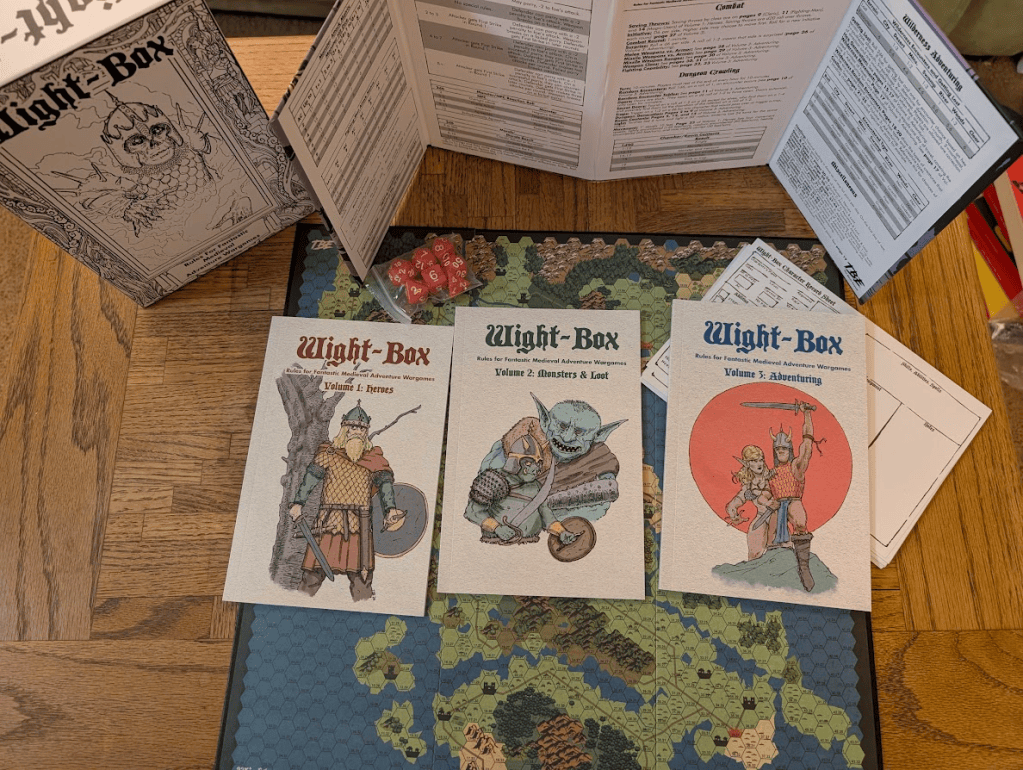
Now the aesthetics. Everything presented in Wight-Box is to my taste, with the exception of one thing. The art is pen and ink line art (perhaps digital pen and ink, I don’t know, but it’s the presentation that counts).
Paper in the rule booklets is white with black text. Importantly, there is no digital background used like so many rules books have these days. Chapter headings do have a graphic design element, but it works and is not intrusive. And, even more importantly, the paper is hardy but not glossy. The booklet covers are each in color in muted, non-garish tones; each with a different colored heading type for easy recognition. The one exception I mentioned here is the binding. I would have prefered the rules booklets in a folded and stapled binding, rather than glued. A stapled booklet would be more user friendly in staying open to the page, and have greater hardiness under use. That said, there is nothing really wrong with the glued binding, it’s a matter of taste.
The map and the referee screen have similar art, colored, and mounted well on a decent weight board. The map feels a little bit fragile along the cuts, but I expect no problems is one is careful in folding it.
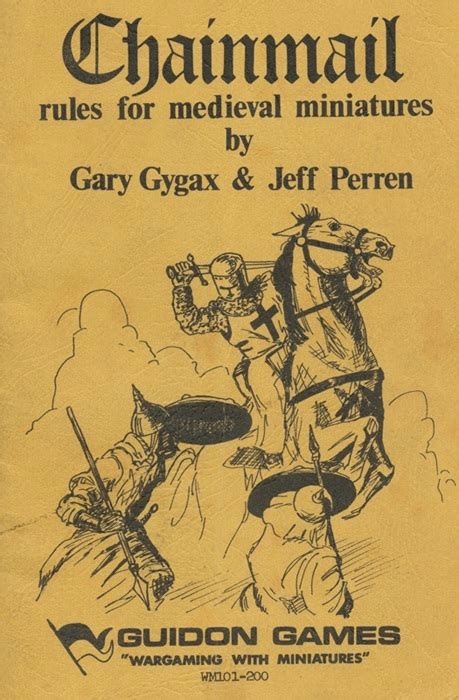
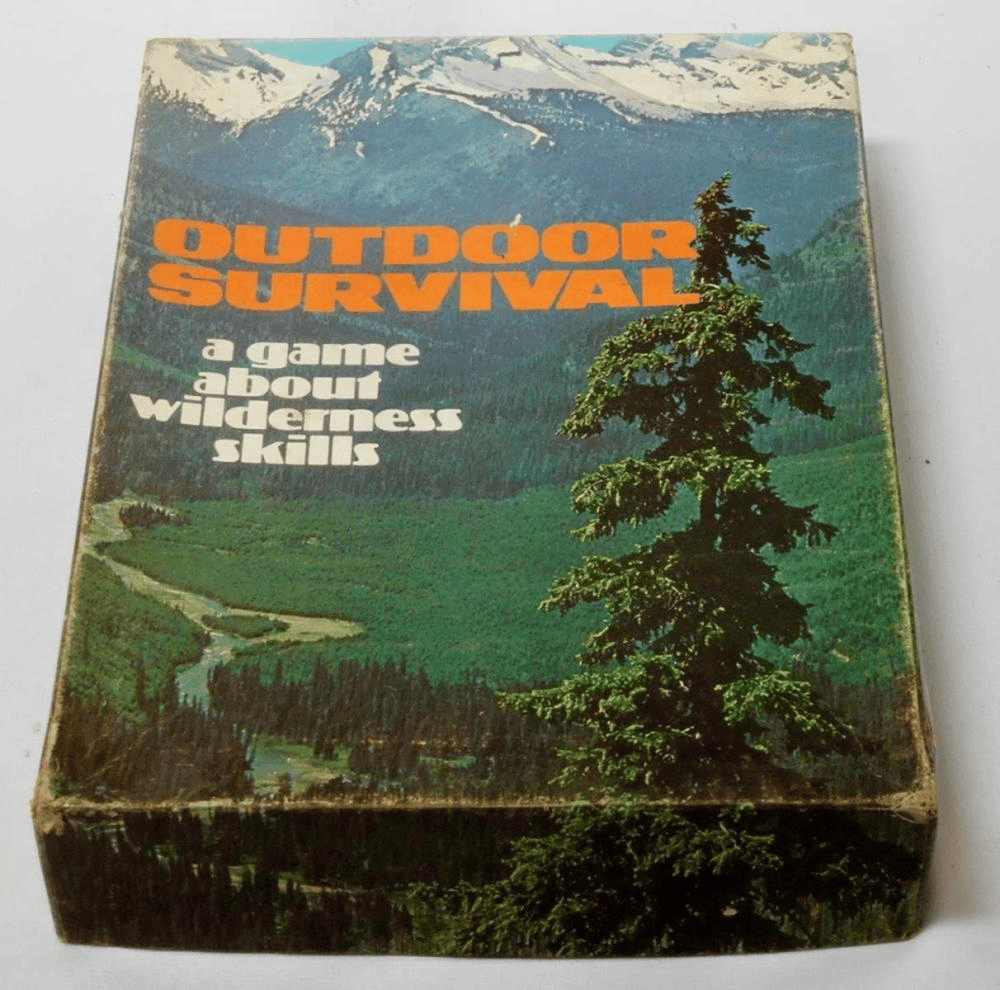
Now the rules. First we must discuss the design goals as elucidated by The Basic Expert in the introduction to Volume I: heroes. At this point, it is infamous that the original release of Dungeons & Dragons (OD&D) referenced the miniature war game Chainmail for a large part of its rules, and the boardgame Outdoor Survival for another part of the rules. And, really, OD&D, was not really fully playable without copies of Chainmail, and Outdoor Survival. Simultaneously, both of the referenced games were difficult to come by for most purchasers of OD&D. This resulted in a lot of folk practices in trying to play OD&D back in the ’70s and ’80s gaining purchase well into our current era. So, the design goal here was to make a concise comprehensive version of the three original OD&D booklets and Chainmail/Outdoor Survival. The original OD&D was printed what became known as the White Box version. Hence, the title Wight-Box repesents a sort of undead White Box, that is, the game risen from the dead.
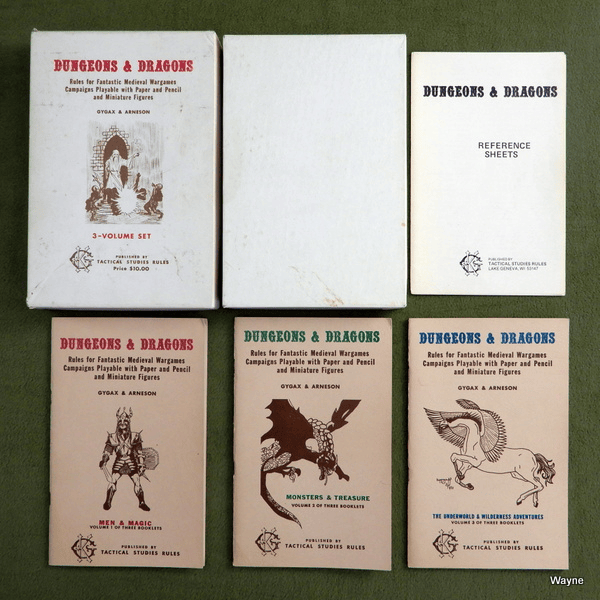
Rules-wise, it is pretty much as it says on the tin. It reorganizes and recapitulates the OD&D rules plus a slimmed down version of Chainmail. Volume I: heroes contains rules for making characters. Classes include: Cleric, Fighting-Man, Magic-User, Dwarf, Elf, & Halfling. There is an optional appendix adding in the Thief, which is a departure from OD&D’s three books. This adds in the Thief class with all the thief skills one normally expects, except climb is missing. While the text mentions climbing as a thief-specific skill, I find no detail in climbing as a thief skill. This seems an oversight. Though, there may be a reason behind this that I don’t fathom.
The other thing to mention is that the Chainmail rules have been streamlined and some things, like gunpowder artillery, have been left out. I can see the argument for removing gunpowder. In Advanced Dungeons & Dragons, Gary Gygax recommends not allowing gunpowder use in a fantasy setting, so if the goal is to present only the fantasy aspects, this isn’t a huge problem. Similarly, replacing the Chainmail d6 based attack system with a d20 based approach unifies things fairly simply.
The referee screen contains the attack matrices, weapon class tables, reaction tables, morale tables, and summaries of combat and encounter rules with rulebook page references. This is much as what one might expect, but you will need to keep the rules booklets at hand in any case. But, that’s no different than any other referee screen.
The map is backed by a sturdy board and consists of 43 x 35 numbered hexes (which is nice for keeping records. The scale listed as 5-miles hexes so, this is 175 miles by 215 miles which is roughly the size of Indiana. It’s a decent size for adventuring, but a galley could cover pretty much any of the water areas in a mere two days. There are four cities, plus numerous villages, and two sizes of castles marked on the map. The place is fairly heavily roaded so that would imply fairly civilized terrain. No place names are listed, I expect to facilitate referees/players naming things according to their own aesthetic. OD&D did not really include a wilderness map, except that included with the seperately referenced Outdoor Survival game, so the inclusion of a generalized map makes sense to duplicate the this approach. Though the rules also include tables for random generation of terrain as well. It’s a handsome map, with a nice variety of terrain and potential adventuring areas. Myself, I think it might work better as twenty mile hexes to put more distance between roaded areas. One option would have been to leave off a scale so it could be scaled as the referee desired. Not that one can’t just ignore the printed scale.
That’s all I’m going to get into regarding the rules. It’s an OD&D clone so, it meets that goal.
To sum things up, Wight-Box is a nice high-quality recreation and reorganization of OD&D without being slavish. It leaves out things like examples of play, and explanations like one might find in the Advanced Dungeons & Dragons (AD&D) Dungeon Masters Guide (DMG). The overall impression then is of something like a stripped down version of AD&D.
Who then is this for? On one hand, the concision is nice and if one wants to run Dungeons and Dragons in a pretty simple way with nicely organized rules, then this is a fine set. On the other hand, it still might be rough on beginners to role-playing and miniature war gaming due to its lack of examples and explanatory text. So, I’m not sure it fully meets the design goal of being a presentation that someone who is unfamilier with Dungeons & Dragons might pick up and fully comprehend. But, it definitately meets the goal of including all the necessary elements in a complete package. In that way, it could be a great set for a knowlegable person to use to teach those new to the hobby. I likely will use it as a travel game, to minimize space in the luggage instead of hauling a pile of AD&D books around.
And, finally, things I wish might have been included but aren’t that big a deal that they aren’t included.
- The climbing skill for the thief. This seems an oversight. But, also, it is a nice blank spot to improvise for all classes. Maybe climb needn’t be strictly defined. It’s easy to be hidebound by how it is commonly done.
- A form for documenting named areas on the map. Basically hex number, name, and a short description.
- Play pieces or markers in various colors to allow marking forces on the map. This could be small colored cubes or Monopoly pieces, or some such item. It’s easy enough to come up with such things on our own.
- A form for keeping records of dates and locations of the various things on the map.
- A black and white version of the map where a referee could mark his secret things.
- A little taller box so I could fit a few miniatures in there.
Taken all together, I say well-done to The Basic Expert. He avoided all the most offensive problems with modern RPG books, and made a pretty slick version that’s about as close to OD&D as one can get without just using the old books. I understand this is now only available in PDF form. But, nonetheless, it makes a nice addition to one’s gaming library.


Leave a Reply