

TSR’s Boot Hill role playing game was originally published in 1975 and then republished again in 1979. There are few differences between each edition. It’s a short game. The 1979 edition clocks in at 34 pages. In comparison, TSR’s AD&D Dungeon Masters Guide (also 1979) in 240 pages, with smaller type, and is just one of three (or four) books necessary to play the game. As such, the rules of Boot Hill are concise and include the bare minimum necessary for a role playing game (RPG). Some might argue, even less than the bare minimum. I lean in this direction.
Note: I lean in this direction. I can’t quite bring myself to go all the way and say Boot Hill isn’t quite an RPG. The reason is that the game does meet the minimums to be a Braunstein. It has a location (Promise City & Fort Griffon), plus it outlines a variety of possible factions that may be placed on the campaign map to make each owner’s version of the region unique. But, primarily, the game rules are mostly made up of 1) a means of creating characters, and 2) rules for these characters to combat with one another. The campaign rules are about three pages of the total thirty-four.
Recently, on Twitter, there was a discussion of a nicely succinct flowchart that outlines a very common set of feedback loops within RPGs. This chart is worth studying. Thanks to @licensedtodill for such a great sum up.
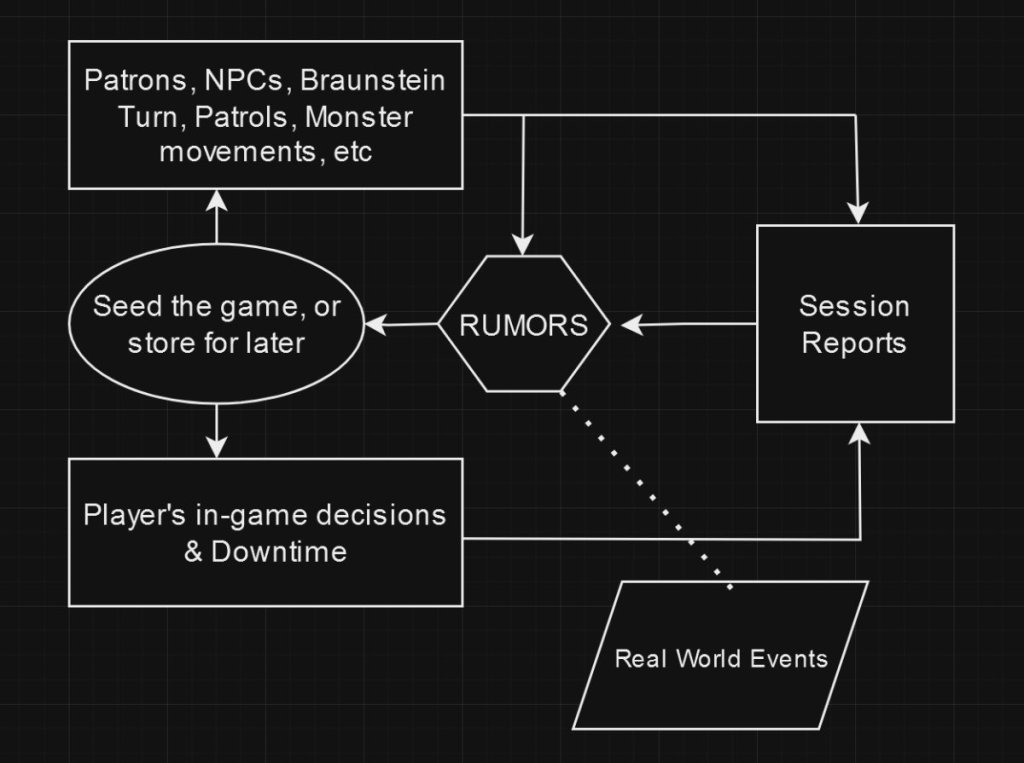
This flow chart includes a lot of the parameters I’ve discussed here before. One thing I believe an RPG needs to truly make it a game is a systemized set of feedback loops that further game play. I’m not saying that Boot Hill doesn’t have feedback loops, but when it comes to the campaign game, the space allotted and the space available is limited which results in these feedback loops being vague, and not necessarily readily apparent to the casual player.
As previously mentioned, the bigger 1979 TSR product was the release of the DMG. And, on page 112 of the DMG, there is a conversion for bringing AD&D characters into Boot Hill and TSR’s other RPG Gamma World and vice versa.
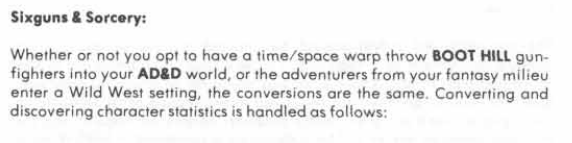
The rules in the DMG can be considered, to some extant, as applying to Boot Hill. And, the DMG has a ton of very explicit feedback loops that work wonderfully. So let me propose something. The DMG is not merely the DMG for AD&D. The DMG is, at minimum, the referee guide for Boot Hill and Gamma World. Many of the discussion and methods described in the DMG can also apply to other RPGs. Especially since many RPGs were published on various levels of a shoestring budget and only had so much space to include all that might make the game run smoothly.
The thing I find in the DMG that I think is more important to RPGs than character creation and combat rules is the set of procedures set out in Appendices A, B, and C, combined with the wilderness travel rules set out on pages 47-49, 58. What these rules do in effect 1) create a setting (Appendix B), 2) describe how to move about that setting (p47-49,58), and 3) provide a method to determine what one encounters in that setting (p47, Appendices A & C). The encounters found in Appendix C not only provide what players meet along the way but also, populate the world as one goes along with ruins, castles, towns, etc. This minimizes the need for the referee to do a ton of work ahead of time. One can roll up a random region using Appendix B, then get to playing using the other parts, and Appendix C fills things out as one goes along. These pages are, for me, the heart of AD&D and more important to actually playing the game than any aspect of character creation or rolling a d20 to hit and saving throws. These are the true “game engine” of D&D which many of the later edition designers of the game have overlooked or missed or intentionally (for commercial reasons) ignored ever since 1979.
Back to Boot Hill. I’ve written about Boot Hill before how it lacks even animals. So I made animals for Boot Hill. But how is one to encounter these animals? Boot Hill has no random encounter tables like DMG Appendix C? Nor does it have a random encounter generation system like DMG p. 47-49. I say let’s use the AD&D system.
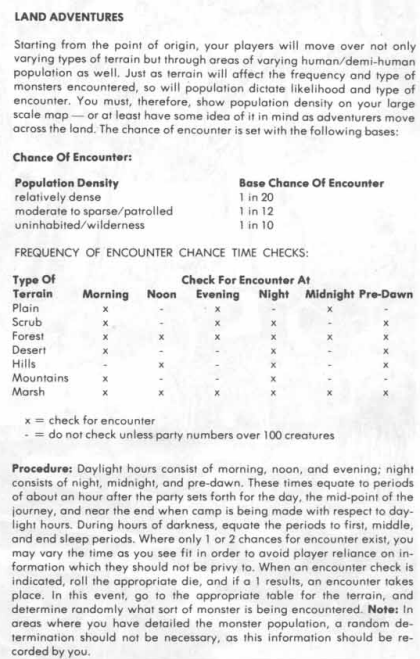
On the following page are rules for determining encounter distance and for getting lost in the wilderness. All of which is important to a wild west setting like Boot Hill. Use them. But of course for the encounters generated by the p. 47 rules, it’s the Appendix C encounter tables that the DMG refer to, and those will not do for Boot Hill. So, I’ve made some quick and dirty encounter tables for Boot Hill. This also was due to a discussion on Twitter.
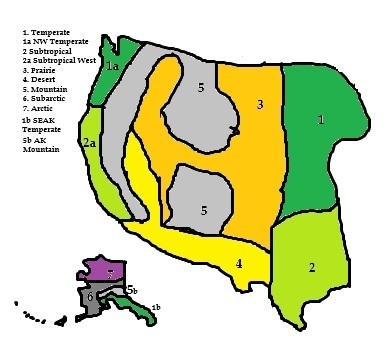
Now, this is quick and dirty. The tables presented here include vast regions of the entire west. So, unlike the Appendix C tables, I do not break them down by terrain type at small scale. One will have to make judgment calls when using these tables to get an encounter for whatever terrain the characters currently reside in. In addition, while specific animal names are included, they also should be considered representative of whole classes of animals which are too extensive to include in a table.
I haven’t compiled the numbers appearing for any of the encounters so, again, one will have to use one’s own judgment in estimating that. I would suggest use the AD&D Monster Manual as a guide. Just because one region type table does not include a particular animal, that does not necessarily mean other animals aren’t found there. A referee can include what one wants. Especially with birds, I’ve made no attempt at addressing the movement of animals with seasons, and one should not think the odds I’ve included here are based on anything but guesswork, general impressions, and some sense toward generating interesting encounters. There are some animals on the charts which are not included in my earlier work, but I think it’s fairly simple to gin these up if you need to. Nothing here is nor particularly “accurate”. It’s meant for fun.
On the same note, the encounters for “men” which include different ethnicities and tribes are not probabilities based on general population or anything like that except in the grossest guess possible. If one wanted to do something at that level of work, this is at best an outline in that direction. But, I think these tables, nonetheless, are good enough for a game.
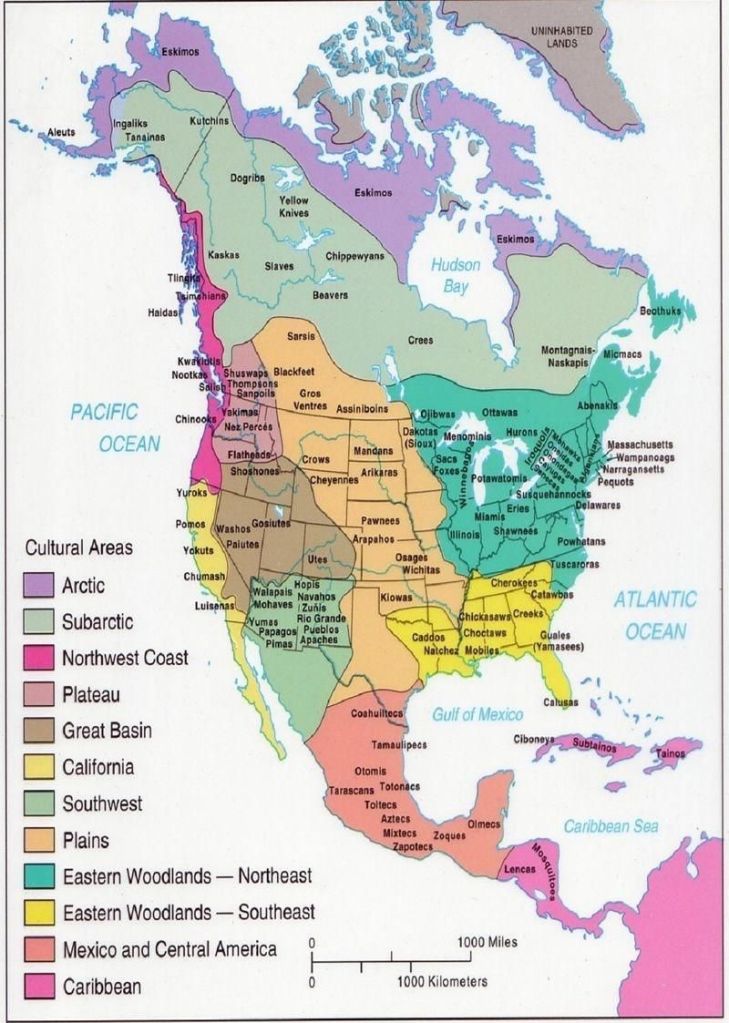
Similarly, for native peoples, I’ve made no effort to address the movements of native peoples over time. One can research this as much as one might want to. However, a map such as this one, easily found online, can help identify which natives one might encounter (or, heck, play) by region.
For the encounter regions, see the crude map below. This is about as broad a sweep of the entire US West as I can make.
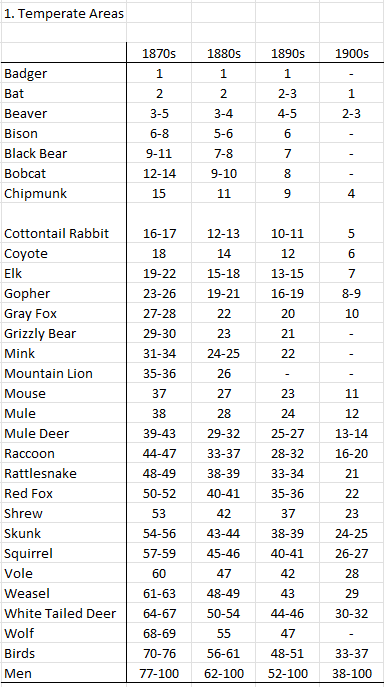
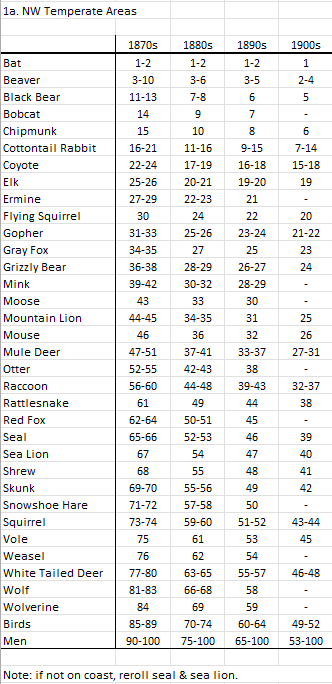
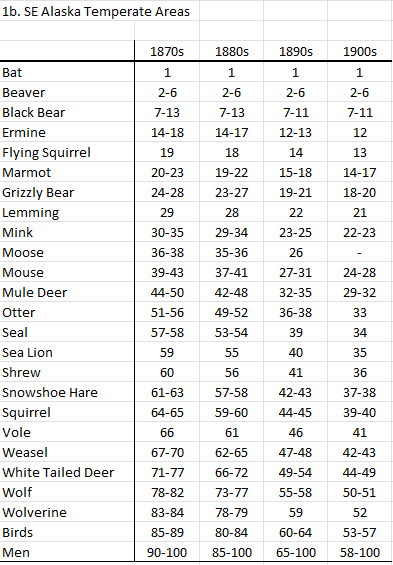
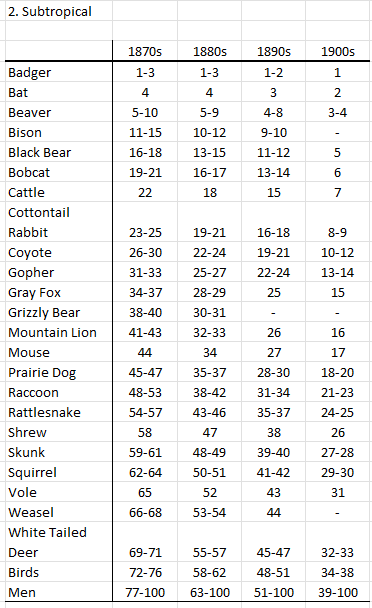

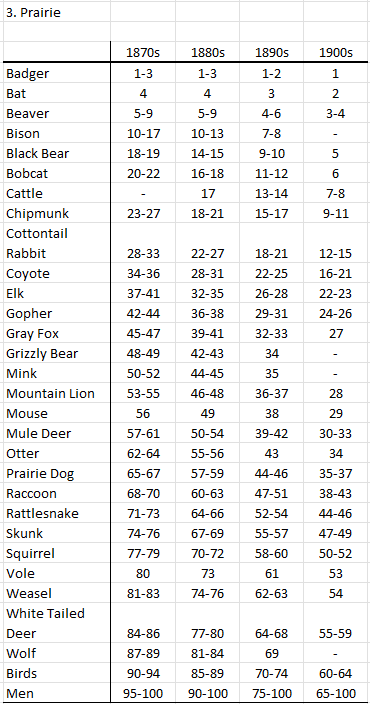
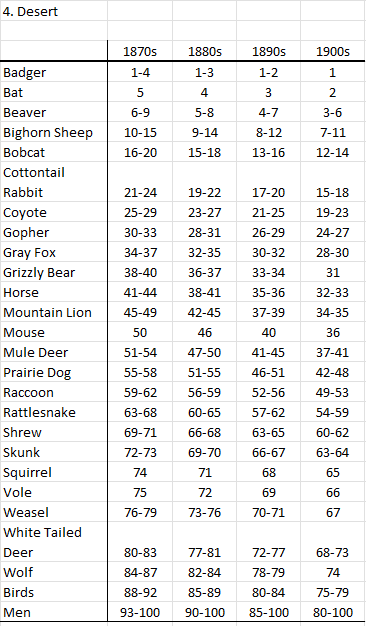
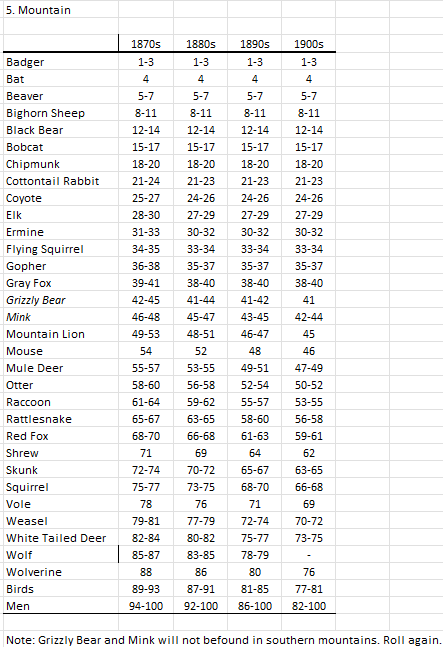
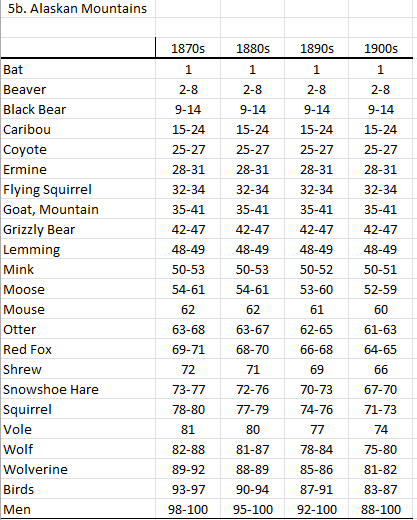
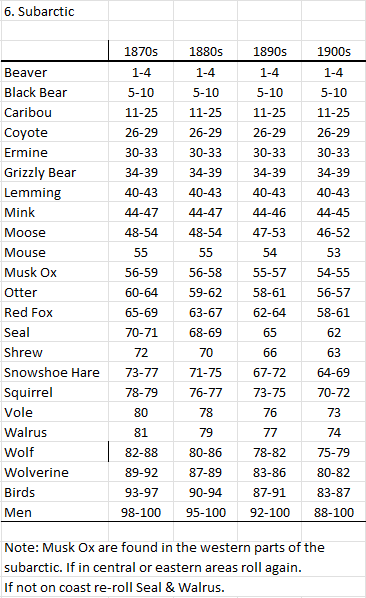

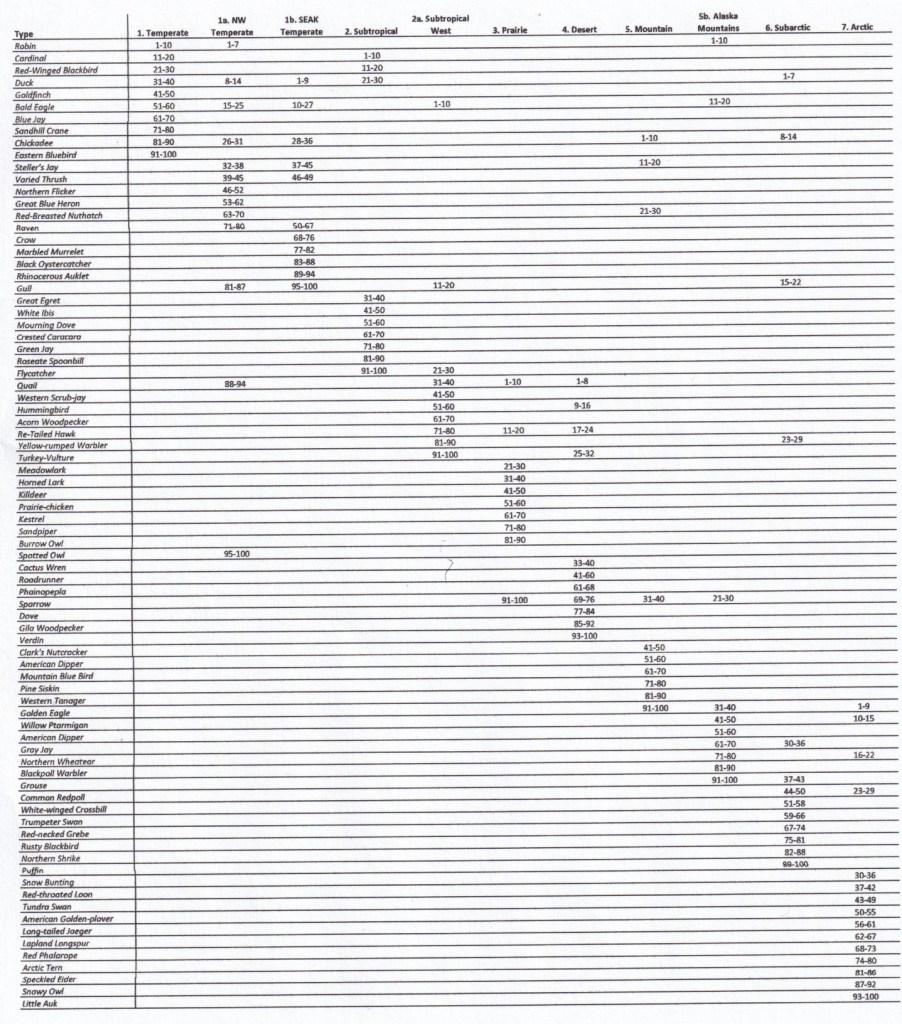
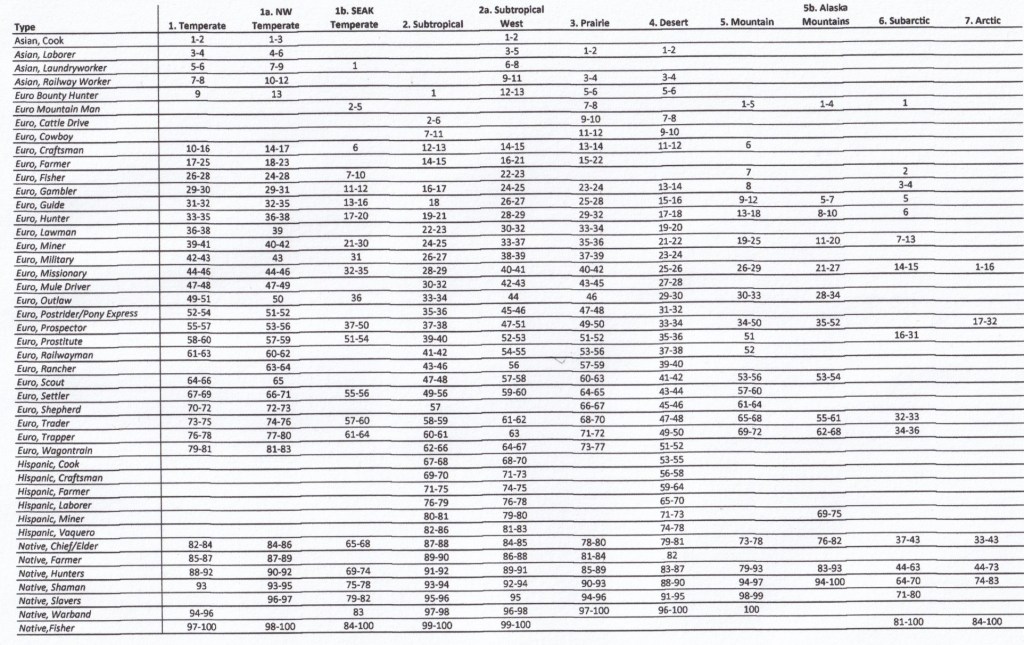
So, this is my attempt at a quick and dirty set of encounter tables to use with Boot Hill along with the wilderness encounter rules found in the AD&D DMG. I think this will energize and get any long term Booth Hill going and keep it rolling. At this point, it’s still just a draft, but give a try and let me know how it works for you.


 Fluid -- Druid
Leave a reply to Fluid the Druid Cancel reply