
Much has been said about the Dungeons and Dragons armor system. I’ve even said some. I figure I’ll say some more. The AD&D armor system contains a lot of stupidity. On the other hand, who cares? In game terms it works well enough. Best not to think about it too much. Unfortunately, I am me.
Unlike many games AD&D doesn’t really contain definitive illustrations as to what the armors described are. This is for the best. It allows one to fit a wide variety of historical armor types into rather general descriptions. The Dungeon Masters Guide does contain some written description. I’ll take a look at each description and discuss them at some level of detail individually.
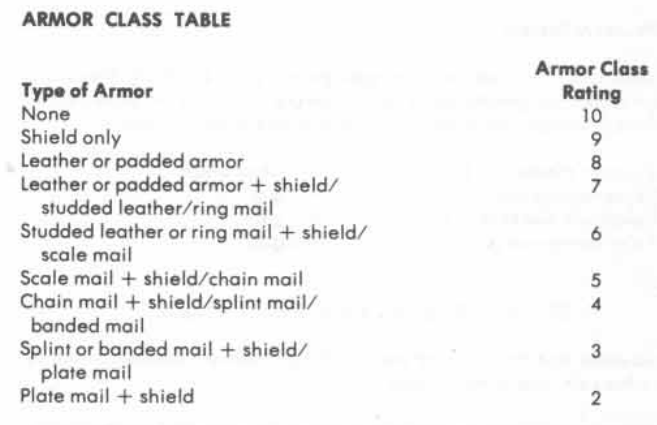
But, first let’s take a look at the AD&D armor class system. It starts with unarmored at AC10 and goes down to AC2 plate mail + shield. It may go lower with the use of magic items or more complete versions of plate armor. The other thing of note is AC9 is shield only. Then, for each armor type the addition of a shield pushes the armor class down one point. This treatment of shields is my main beef with the AD&D armor system.
A one notch drop in armor class is a change in 5 percent in the chance to hit. Chain mail armor, in the system, at AC5 produces a 25 percent drop in chance to hit. Even leather or padded armors (AC8) is a 10 percent drop. But arguably shields are both the oldest, and most effective form of armor. Nearly every culture used shields even when other forms of armor were not used.



Why were shields so popular? Because they were effective. Effective, at least partly because they aren’t armor. Armor is worn, and thus, to get any benefit at all from it, a weapon must strike the person wearing it. So, the success of armor starts with a failure at fighting. Shields, are carried items to interpose between oneself and a weapon. Shields, boiled down to their simplest, are a portable wall. Shields prevent being struck, at least mostly. Yes, one’s arm or hand are vulnerable. But wounds to arms and hands are not generally fatal and, while always unwelcome, preferable to a spear through the chest. Shields are not passive but are moved to intercept threats and also are used offensively in striking/overbearing opponents, or more subtlety to bind an opponent’s weapons or, indeed, an opponent’s shield. None of this is modeled in AD&D. Or, is it?
The non-lethal and “weaponless” combat rules do, to a degree, take shields into account. Armor class is worked into a pummeling and grappling, though general work against the bearer. In grappling an opponent using a shield earns a negative modification to being grappled. I don’t really agree here. A shield is a thing that in itself could be grappled and adds a big lever to manipulating the bearer’s arm, especially when it’s a strapped shield. Now, a boss-gripped shield can simply be dropped in the face of a grapple but even this has the advantage of affecting the opponents armor class.
Large shields, like the Roman Scutum, allowed the legs and arms of the legionary to go unarmored. Small shields require more skill to use but, held at arms length hinder an opponent by enlarging the distance needed to hit. Plus at arms length a smaller shield proportionately covers a greater portion of the body than when held close in.
In all, the shield in AD&D is underrated. Let’s take the gladiator as an example. What’s notable about most of the gladiator armor? The heads are very well protected. The limbs, at least the limb most likely to face the enemy are pretty well protected. Chests and abdomens are entirely unprotected. Why? Because most gladiator types bear shields for the purpose of protecting the chest. Yes, the Retiarius has no shield but that’s because he must manipulate the net — and the net was considered a significant advantage. And the gladiator brings me to the second underrated piece of equipment in AD&D — the helmet.
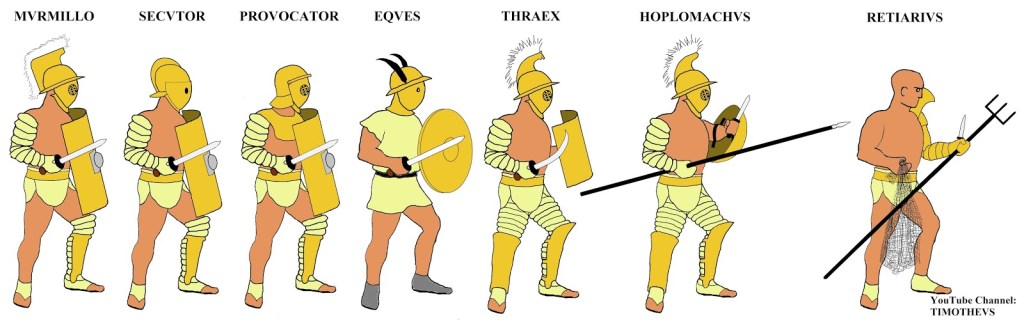
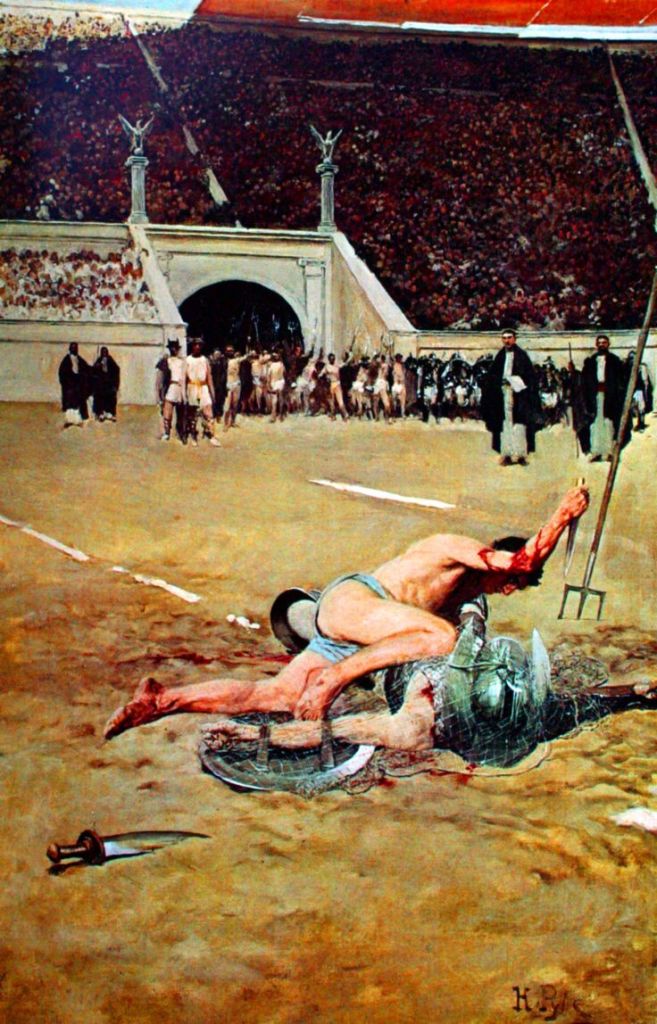
Note the gladiators with helmets have very protective versions of helmets. Much more to them, than with Roman soldier’s helmets. Why? Well, the head was recognized as the most vulnerable part of the body and these valuable slaves were expected to live to fight another day. Yes, they fought to the death but mostly not. They were equipped to survive their battles, heal and fight again. But, that wasn’t going to happen if their heads got bashed in. It’s much like how American Football helmets are generally more elaborate than soldier’s helmets. Gladiators were only wearing them for short periods, one didn’t need to march all day in one.
AD&D has only two helmet types the Great Helm and the Small Helm. But, there is one truth about helmets obvious from history. If there was one piece of armor and soldier purchased, other than a shield, it was a helmet. Like the gladiators, everyone values their head. Head protection gets a little short shrift in AD&D. I’ll discuss them more below, along with each of the DMG armor entries.

Were I writing rules for large shields I’d give a large shield -4 to armor class (or -4 to hit whatever), but also, use of a large shield counteracts any dexterity based AC bonus. And, would require a proficiency slot to use. Optionally, when an attack misses, roll versus normal blow to see if shield is rendered useless, but only if the attack would have done five or more points of damage. I don’t really like this approach as it adds a ton more rolls to the game.

Like with large shields, I’d require a proficiency slot to use. But, small shield is -2 to armor class and does not counteract dexterity bonuses.

Like the small shield but when an attack misses, roll versus normal blow to see if shield is rendered useless.
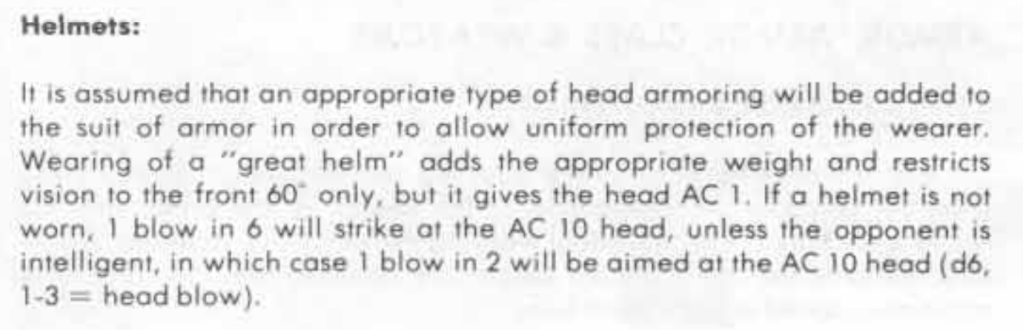
I’ve never understood that first line. One reading is that any particular type of armor comes with some head covering that results in a uniform armor class. The other reading is that one must add a head covering to armor the head in addition to purchasing armor. I prefer the latter interpretation because some of the armor types don’t make a lot of sense as helmets. What, for instance, would be a “banded” or “splint” helmet? Or, a plate mail helmet given that helmets are plate? My take on this then is that armor does not come with a helmet and that purchasing and wearing a helmet just ends up giving a character the full benefit of the armor they purchased.
And, the great helm, given AD&D does not normally have or use hit locations, how is one to implement that AC1 for the head? My guess is this would only come up in some sort of extremely unusual situation.
And, helmet-less being AC10, this should encourage helmet purchasing. But, also starts to lean into targeting specific body parts which seems antithetical to AD&D.

Put simply, banded mail is fake. It’s a 19th century misunderstanding of medieval artwork rendering of (chain)mail. But, this knowledge wasn’t widely known at the time of the writing of D&D. One might argue that it should be expurgated from the game. However, it can be used as a filler for things like Roman Lorica Segmentata. Or, Mycenaean Dendra panoply.
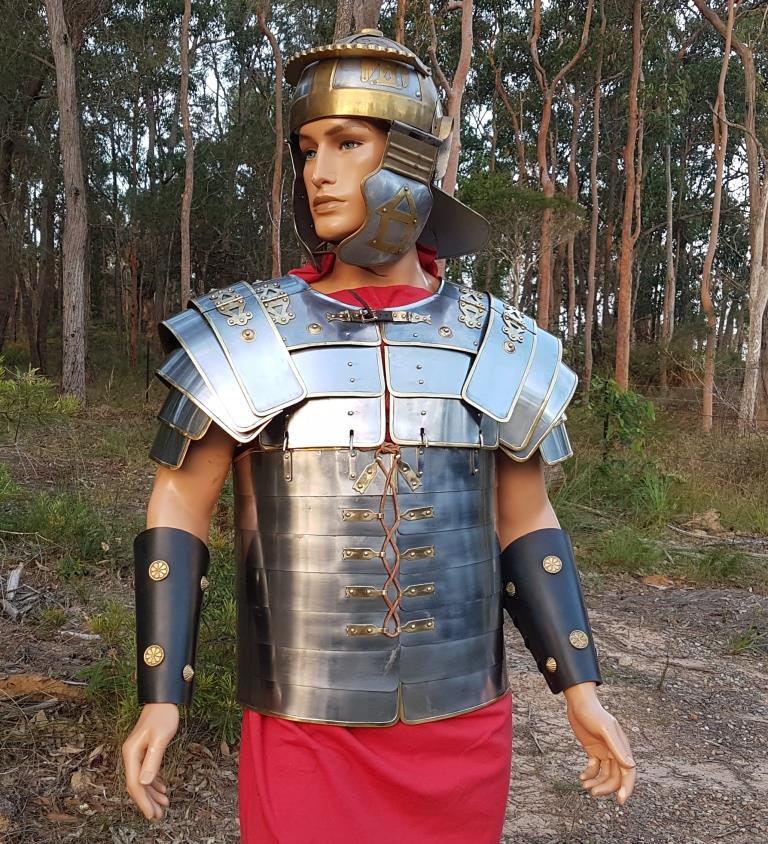
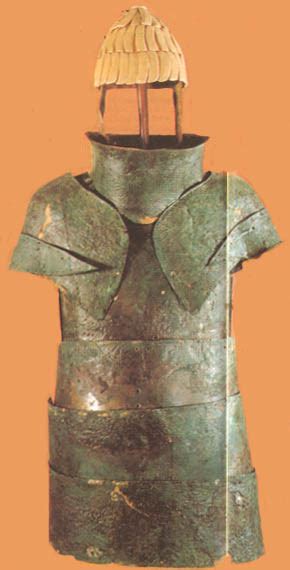
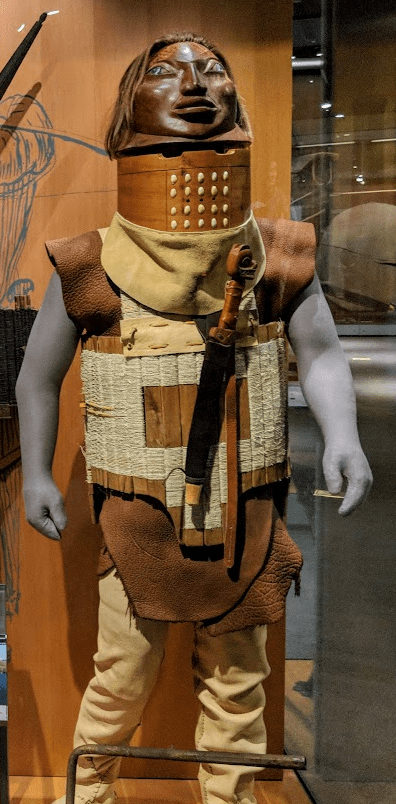
The banded category might even be used to emulate some more exotic armors such as the Tlingit wooden armor.

The main thing to note in this description is that the chain mail in AD&D is intended to represent full-body mail like 11th or 12th century rather than the roman lorica hamada or the hauberk or byrnie

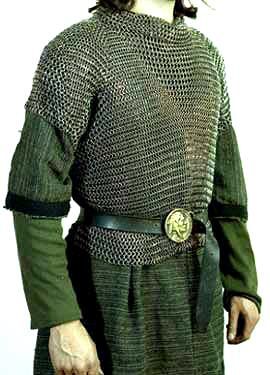
Presumably a byrnie, or lorica hamada, since it covers less of the body should be more like AC6 like scale mail (though lighter).

Since, elfin chain is almost certainly inspired by the elfin chain from The Hobbit and Lord of the Rings, I always imagine it more like a byrnie, rather than the full suit of crusader mail. So, an argument can be made to raise the armor class but I don’t mind treating exotic elf stuff as inherently better than normal mail. So there you go.

Leather armor per the DMG is hardened, so I wonder whether it really is much quieter than other armor types. Were ultimate realism be required, I might argue that a thief’s move silently and climbing abilities might well be hampered by even leather armor.

Padded armors are reputedly pretty effective against cuts but crummy versus stabbing. If AD&D tracked attack method by weapon type I might increase padded armors resistance to cutting weapons. I would question whether the hardened leather armor is of the same level of protection. However, all this is subject to a whole host of assumptions regarding amount of coverage.

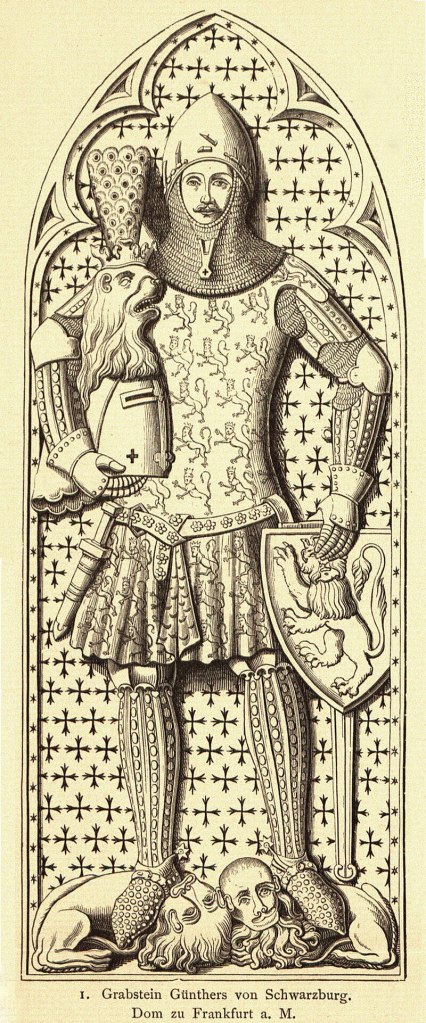
The description there makes me think of late 13th Century armors. That plus, the equipment list including the great helm and the description of chainmail as being a full suit all set, for me, AD&D in a late 13th century setting/early 14th century armors.
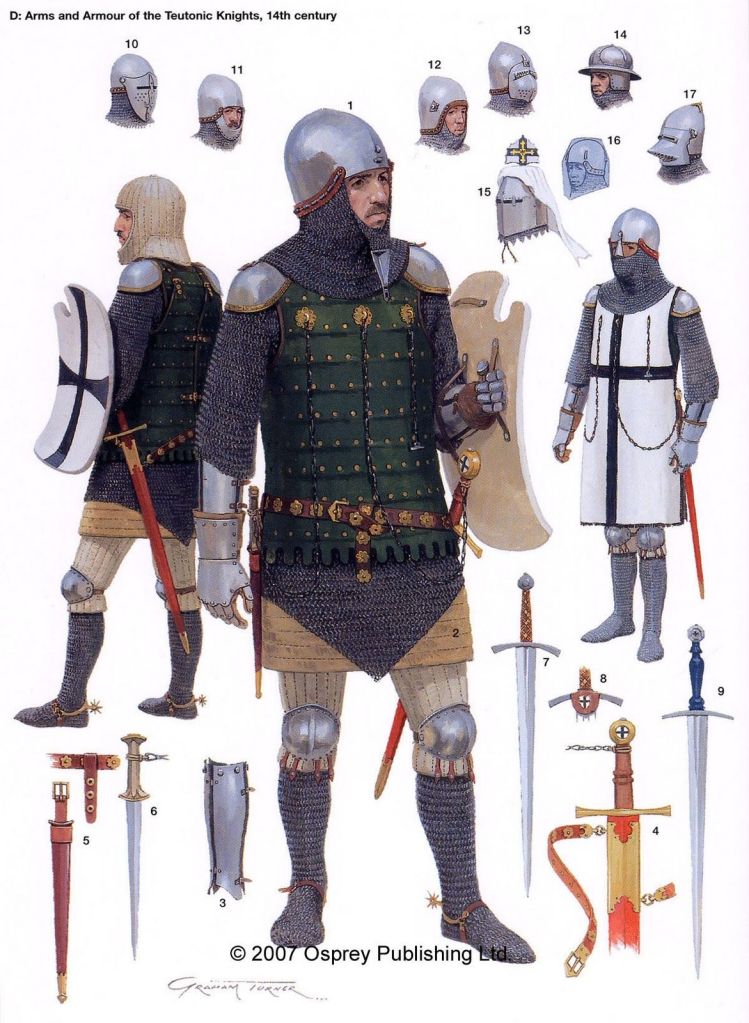
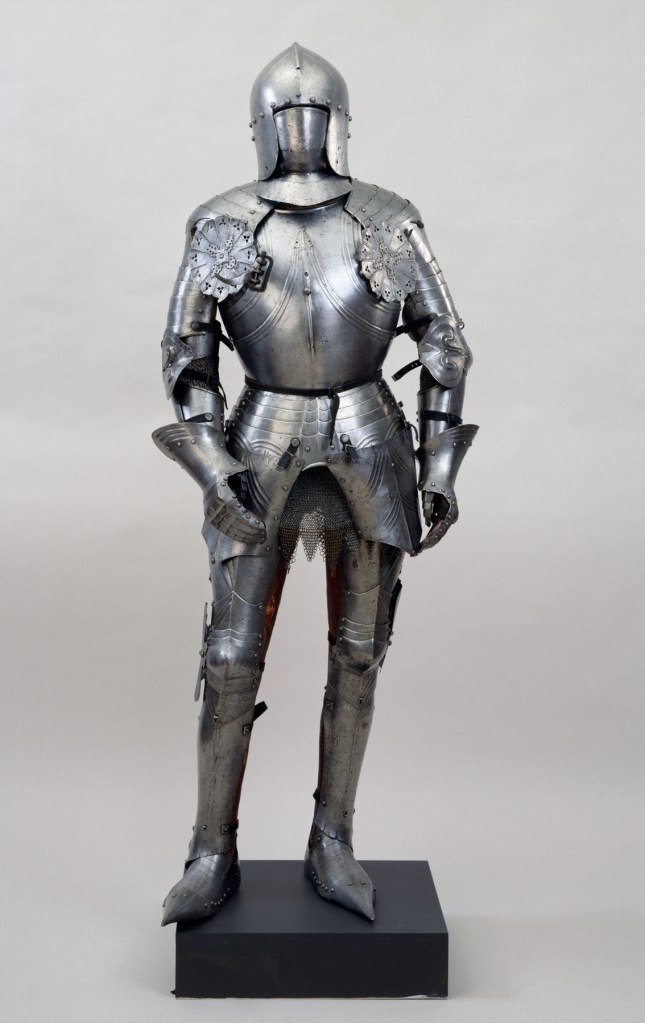
This might even include such armors as coats of plate and/or brigandine. Plus note, the more expensive “field plate” that has AC 2 with no shield. But this is getting more toward 14th/15th century armors.

Ring mail is mostly fake. Like banded ring mail is mostly a misinterpretation of mail cartoonishly represented in medieval art. But if the rings are close enough to really add much protective value, well, you might as well just make chain mail. However, ring might be used to represent a variety of Asian lamellar armor types.

Scale mail is fine, it also might be used to represent Asian lamellar armor types.


Splint Mail falls within the broad category of plate mail. Though, representing an earlier versions of plate mail.

Studded leather, like ring mail, is pretty fake as far as armor goes. It’s existence is likely another misinterpretation of medieval representations of brigandine armor. Brigandine is layered metal plates riveted to an leather or cloth outer covering. The rivets look like studs. But assuming studded leather were real, almost all strikes would either hit between studs or glance off a stud into the weaker leather. And, since the leather isn’t hardened, should be even less effective than leather armor.
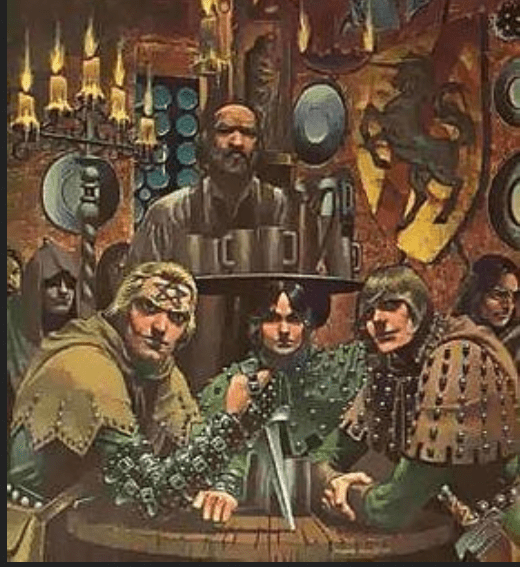
Like today, studded leather should mostly be for decorative purposes. And, those old Thieves’ World illustrations do look pretty cool.
So, there you have it, AD&D armors are a little goofy. The rules give short shrift to shields and helmets. And, many of the armors or either entirely fictional, or versions of the same thing, or just don’t represent the full spread with historical armors. In the end, it’s fine. First, it’s a game, perfection isn’t required. And, simplification is often preferable to fiddly detail. Second, if one squints, one can fit nearly any historical armors into one of the armor class categories. For example, one doesn’t need to know exactly what an orc’s armor consists of, just that AC6 is a good enough description.
The rules for armor move easily and cover a wide range of general effectiveness. The written descriptions of the armor serve more to allow one to interpret where one might fit any particular armor in. And, in that way, it’s genius and allows nearly anything to be represented in the game in a simple fashion without any level of detailed analysis or discussion. This is a thing not appreciated enough about AD&D. Critics can always point at something that isn’t quite right. Yet, so often it is good enough. And, perfect is the enemy of the good. How many RPGs have sought perfect mimesis and ended with endless fiddly systems that players refused to engage with? A lot. But, AD&D, high key low key stupid, also genius.


 Fluid -- Druid
Leave a comment