
I’ve never been a great fan of the Dragonlance setting, modules, or novels. However, that does not mean I’m not a fan of dragons and lances. I’ve posted before about an expanded method that both allows the use of the Chainmail jousting matrix in AD&D. I’ve now extended this method to jousting with dragons.


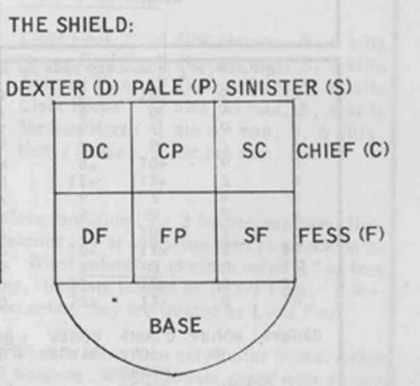
Procedure:
- Each combatant writes down a Defensive Posture (or uses cards if available).
- Each combatant reveals their Defensive Posture.
- Each combatant then chooses an Aim Point and keeps it secret.
- On the charge, the longest lance checks first. Absent a charge, normal initiative is used.
- I are injuries to the rider. Roll lance damage. Rider must save for paralysis or be unseated.
- U and Helm (H) are attack opportunities. Roll to-hit and damage as normal. If a miss, still apply the effects (unseated or lost helm)
- G – lance glances off. Save versus paralysis or Attacker unseated with no injury (other than the fall).
- M – Total Miss
- B – Breaks Lance. Save versus paralysis or Defender unseated.
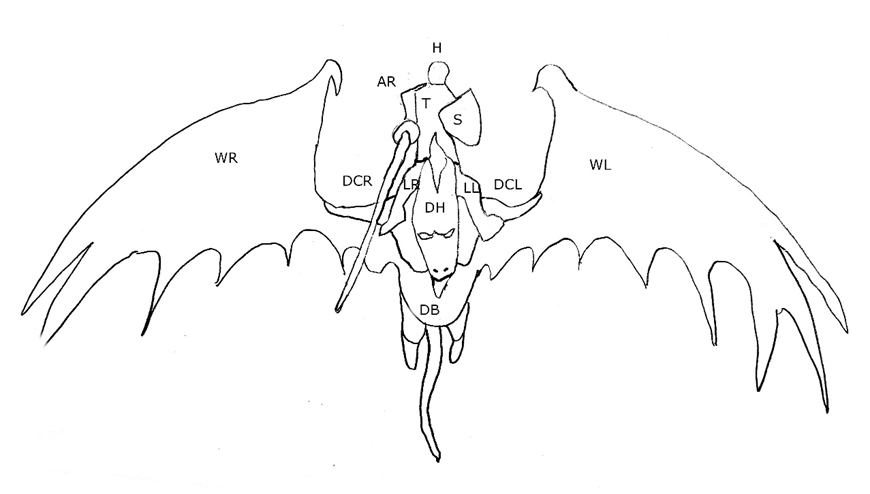
- For the DH, DN, DCL, DCR, DB, WL, WR it is the Attacker’s defensive posture that is cross-referenced rather than the Defenders.
- DI – dragon injured. Roll lance damage. If dragon killed, unseat the rider. Dragons hit at DCL or DCR must save versus paralysis or be overborn. If the dragon is overborn, then the rider must save versus paralysis or be unseated and fall. If overborn, the attacking dragon rolls on the overbearing effects table.
- DT – Dragon Trauma. Attack opportunity. Roll to-hit and damage as normal. Lances hitting DCL, DCR, DB must save v. crushing blow or break. If injured, treat injury to dragons as described under 11.
- WT – Wing Trauma. Roll to-hit and damage, but damage is quartered. Each wing hit lowers flying speed by 3”. In addition, for each wing hit, the dragon must make a save versus paralysis or be forced to turn in the direction the wing was hit for 1–3 rounds.
- If a dragon suffers damage due to a hit to the head, it must save versus paralysis or immediately use its breath weapon if it has uses available.
- Note: all unseated results end up with a fall and associated damage unless magic or other means are used to slow the fall.
- If tournament jousting, do not target the dragon. Legal targets are the rider’s helm (H) and shield areas. No hit rolls are used in tournament jousting.
- Note also, if the rider has no shield then one can aim at AL (left arm) treat the results as AR except with the Lean Left and Lean Right results reversed.
- Optional Rule: if a to-hit roll is required, the Aim Point can be shifted up or down one row for every set of three points the rolled number is greater than the target number. Example, if the Aim Point is DH (Dragon’s Head), and the hit number needed is 15 and an 18 is rolled, then the Aim Point for effect can be shifted either a row up to LL (left leg) or down to DN (Dragon Neck). If modifiers could raise the same roll to 21, then Aim Point could be shifted two rows to either the DCL (Dragon Left Chest) or G (rider’s groin).
Use the DMG aerial combat rules for all other flying. It can be quite challenging just to get lined up for a head-on joust. In tournament jousting, duels, or other challenges of honor, you can skip the maneuvering and just start within a charge distance head-on.
For attacks that are not head-on, use the normal AD&D combat rules, lancers and dragons each pick their targets.
I previously posted the unarmed combat specification for dragons of various types and ages. Flying dragons may also choose to carry out unarmed combat. However, a flying dragon may only use unarmed combat against another flying creature or a creature on the ground (for low passes). Riders are too small for fast moving dragons to target with unarmed attacks. However, if a dragon is grappled or overborn, the rider must always make a save versus paralysis or be unseated.
A rider may choose to strap themselves into a saddle, in which case the straps must save versus a normal blow every time a rider takes an injury. If the straps break, then the rider must save versus paralysis or be unseated.
If the dragon is on foot, horse and dragon may each joust using their respective tables.
So, there you go. Dragon Jousting for AD&D.
Addendum: more info here.


 Fluid -- Druid
Leave a comment