
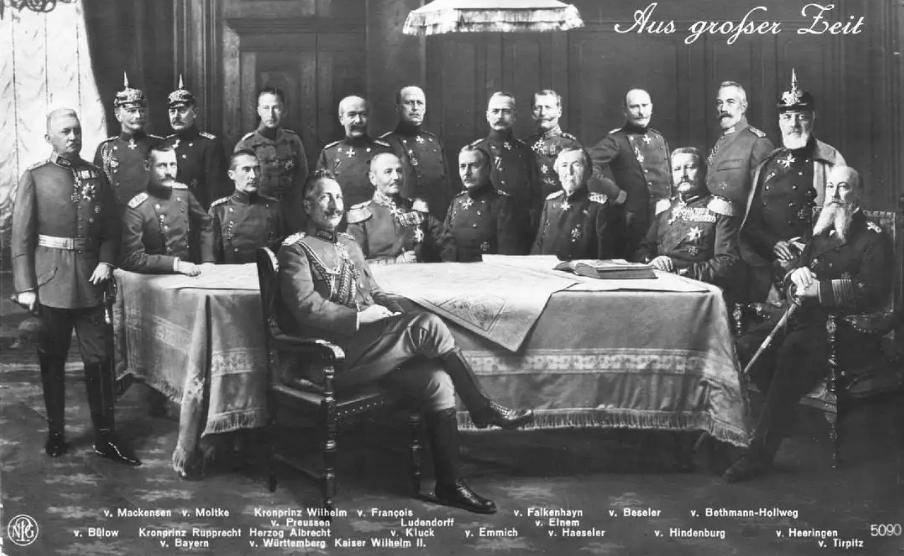
The last couple of years, there has been a lot of talk about Braunsteins. Braunstein is of course the historical and ongoing game by David Wesley that deals with Prussian politics in the town of Braunstein. But, I use a Braunstein in the historical use of the term, meaning similar games in settings different from 19th Century Prussia. And, I use the Jeffro Johnson definition of, “Multiple independent players operating in conflict under the fog of war.”
Note that the Johnson definition is “independent players”. A player might be representing a single person, a faction of people aligned in some way (think gangs or political parties), or it could be a whole nation state, or even a galactic empire. Just so long, as they are “multiple” and “Independent”.
A common question I see asked is how many players do you need to run a Braunstein? Well, I am not going to answer the question, but I will give some things to think about and some idea as to minimum number of players and optimum number of players.
We are lucky, we are not the first people to think of this question. But to refine the question a little more. We want 1) a game that is fun, 2) a game that doesn’t take overlong, and 3) a reasonable expectation to be able to find enough people to play the game. So, this last consideration, while real, I think earlier criteria will inform us as to practicality.
Braunstein is, if anything at all, a game of forming alliances both to achieve particular ends, and in defense against other players and alliances. So, the question then is given n number of players, how many possible alliances (essentially combinations) are possible? Well, there is an easy formula to determine this. Given that a person is either in an alliance or out of an alliance, the number of possible combinations are 2^n.
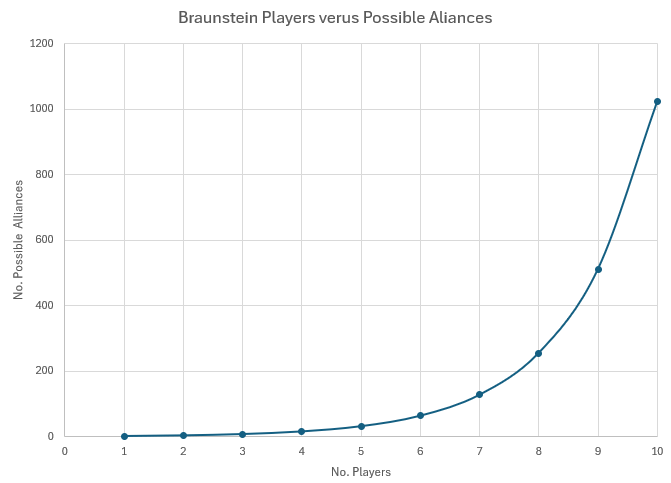
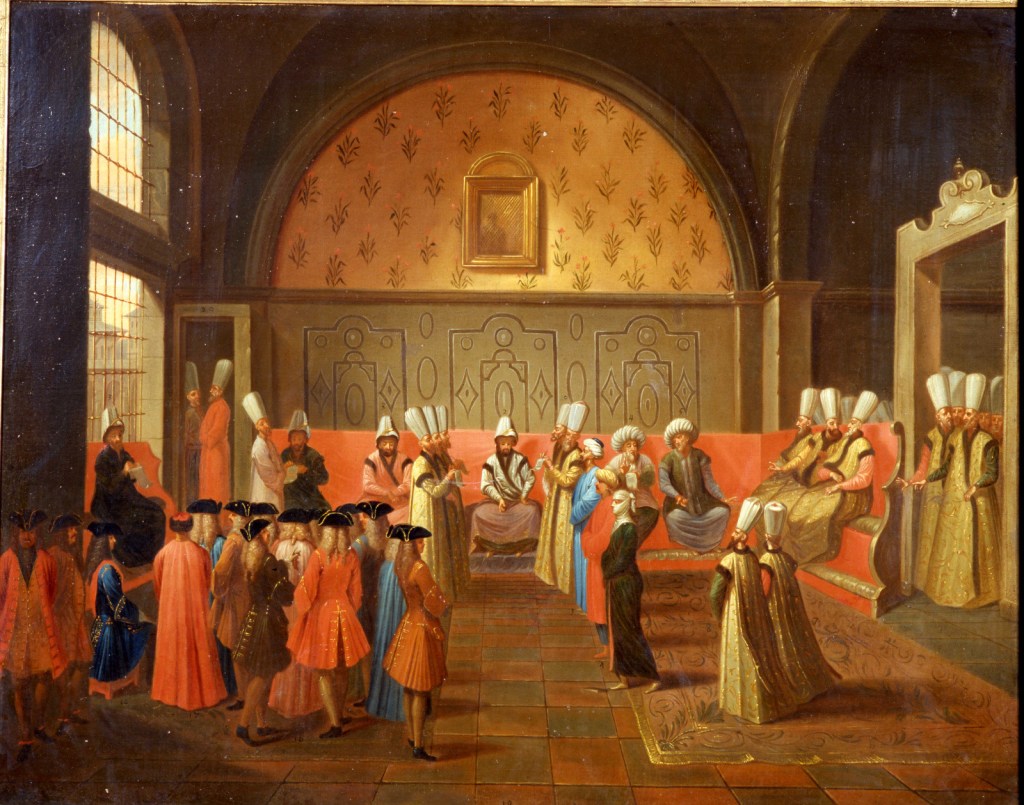
So, we can see it starts getting complex quick, the more players are added. Given a Roman Triumvirate of three players, there are eight possible faction. And, well, we know how long the Triumvirate lasted, don’t we? At five players, we have 32 possible, and six players, 64, and rapidly upwards. It’s resembling less the orderly Prussian General Staff than the intrigue of the Court of the Grand Turk.
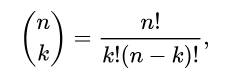
If we want more detail of these numbers, we can choose the Combination Formula. This allows the breakdown of the possible alliances by number of people in the alliance.
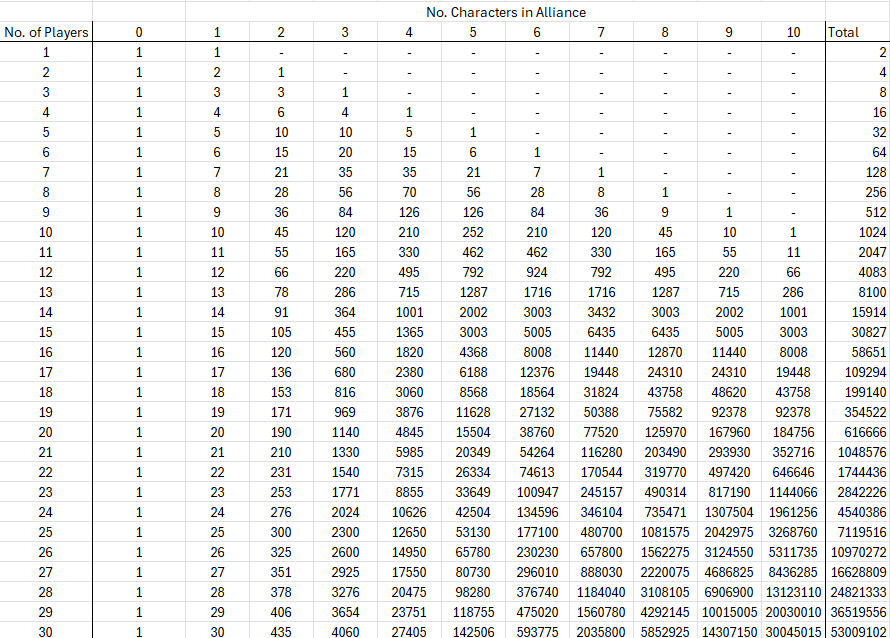

Get above ten players, and it starts looking like the intrigue not of the Sultan’s Court, but of his harem.

For myself, I struggle at keeping the sixteen permutations of four players in my head. And, five players become a real challenge for me. Get up to eight or more players and things really start falling apart. Now, I say falling apart as if it were a bad thing. It isn’t really. In the games I’ve participated in, past five or six players, the game started to break up into smaller groups of people interacting with mostly each other and not really understanding what the others are up to. This is the “fog of war” aspect.
Now let’s just make a rule of thumb estimate of 1-minute spent discussing each possible combination. For eight players, that’d be 256 minutes or four and a quarter hours. For six players, 64 minutes. So, for six players, a four-hour session just about allows for four cycles of discussion. It may be that the typical 4–6 players of traditional board games exists for a reason.
So, for me, I think the minimum of a truly engaging Braunstein is around five players. Optimum around eight to ten players. Knowing that not everybody will be talking with everybody.
But, we do hear tales of Braunsteins being run with twenty to thirty players. And, it’s not like those games were failures. But, it does mean that no one, no even the referee will likely be able to keep track of all that happened.

 Fluid -- Druid
Leave a comment