
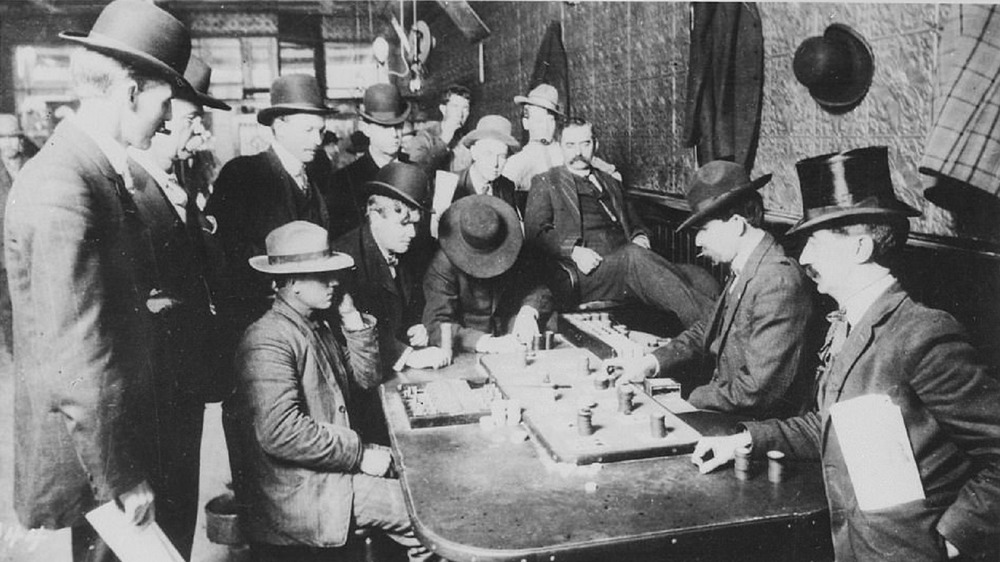
In my previous posts on Boot Hill I discussed animals and random encounters. This is about professions or classes.
Boot Hill is a little unusual as role playing games go in that it contains little discussion about characters classes. Class used here is in the sense it’s used in Dungeons and Dragons. Perhaps, a better term would be professions. Every character is clearly a gunslinger of some sort. Or, perhaps, more generally, a cowboy. The only thing like a class, or profession, listed is the optional rule for professional gamblers. That’s it.
Like my previous posts, what follows is deep into house rule territory. But, I am trying to follow the spirit of the game. This adds professions to the game. But first some discussion of the professional gambler rule.
In the Professional Gambler section, a method is described to simulate gambling. For Poker, everyone rolls 1d100, the highest roll gets the pot. To represent Faro, one player (probably the referee) rolls 1d100 for The House, then all the other players roll — those beating the house winning whatever they wagered.
The Professional Gambler has a skill rating of 1 to 50 (produced by rolling 1d100 and subtracting 50 if the roll is 51 or greater). Professional Gamblers can choose to take a free +5 to their roll, or if cheating, add 20 to their roll. If they cheat, they must roll 1d100 and the result must be their gambling skill or less to not be caught.
The system I propose mirrors the gambling rule. For each profession, there is one associated skill. This skill should be considered to include all the tasks associated with that profession and interpreted as broadly as possible. Players can argue whether a particular task is within their skill group, but it is up to the referee to determine how a profession’s skill is interpreted for the situation.
Like with gambling, a player rolls a 1-50 skill level for their character. Tasks come in two types.
- Normal Work– These any character can do. The referee sets a target number for the difficulty from 1 to 100. The higher the number, the more difficult the task. Success is measured if a 1d100 roll exceeds the assigned difficulty. A player with the skill can choose to get a free +5.
- Skillful Work — If the difficulty of a task is high, a player may choose to take a skillful action. This earns a +20 to the success roll. However, they must also roll 1d100 equal to or less than their level in the skill. Failure at rolling under their skill level means the task is botched.
In most circumstances, the difficulty of the work will be obvious to the player. There may be some circumstances where the difficulty may 1) be rolled randomly by the referee, and 2) be held secret from the players. It is the referee’s judgment when this is so.
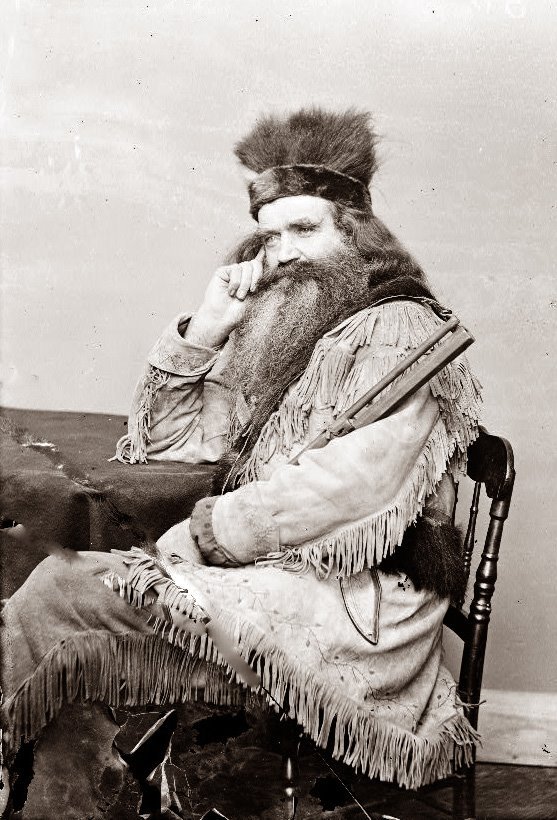
The table below gives a list of professions, associated skills, and monthly wages. Wages can vary between characters and are rolled at the beginning of each month. For the professions marked in gray, these are hired positions, for those professions the wage is rolled at the beginning of each year and is paid consistently on a monthly basis until the end of the year when it will be rolled again. All other professions (those not shown in gray) are more uncertain and income depends on business cycles, bribes, luck, etc. and must be rolled anew at the beginning of each month.
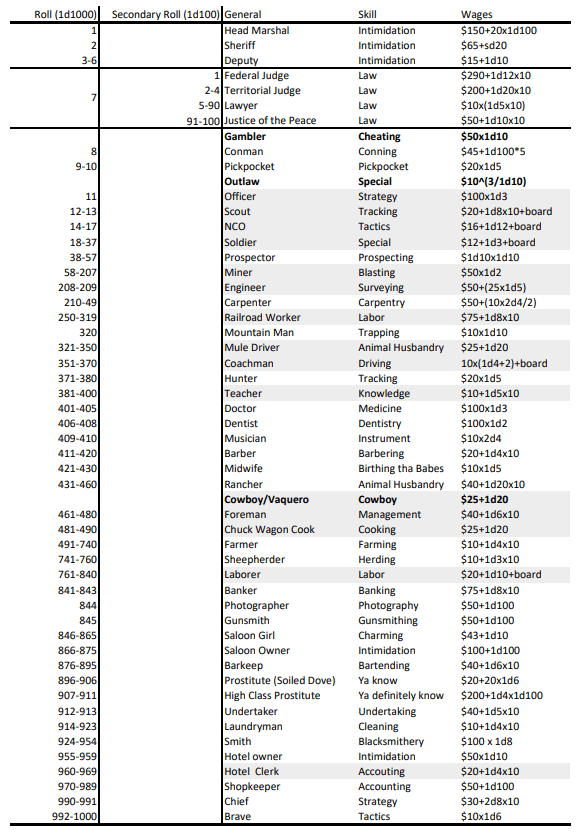
All new characters can choose to be either Cowboys, Outlaws, or Gamblers (marked in bold on the list). The player has the choice to forgo these standard professions and roll randomly for a profession. If one of the legal professions is rolled, then a secondary roll is made as shown on the table.
There are two professions (Outlaw and Soldier), which have their skill listed as special. For these two professions, they can choose 1) Cowboy, 2) Gambling, or 3) roll again on the table to determine what the profession was before they went outlaw or took to soldiering.
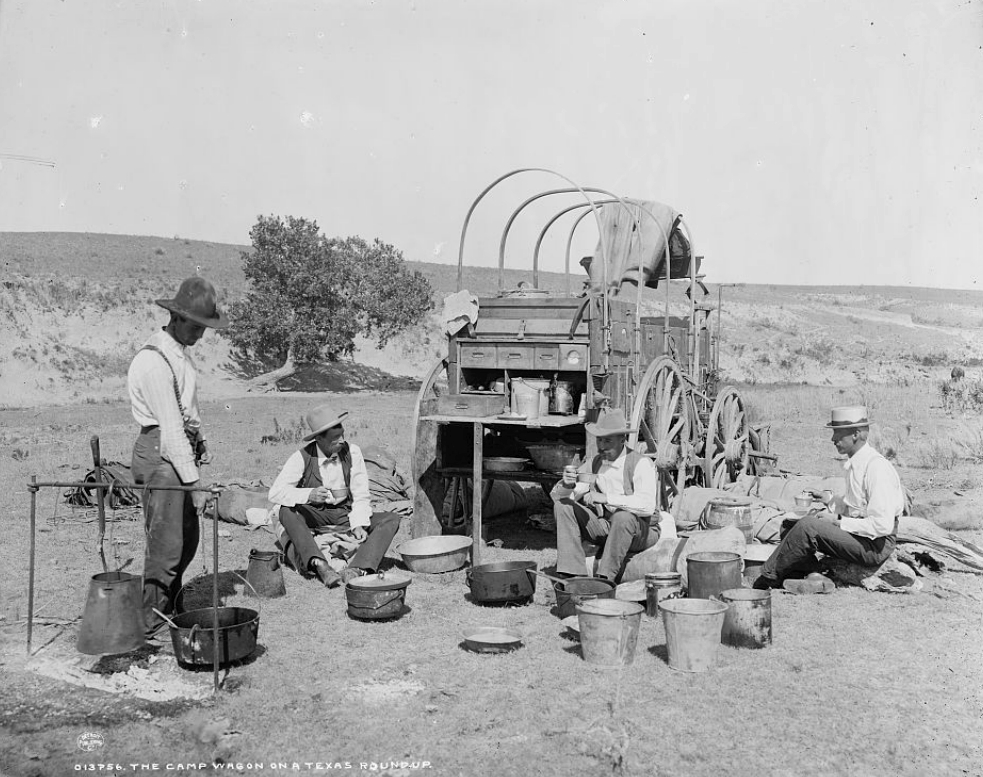
Given the nature of the Wild West, sometimes wages will not be paid on a monthly basis. Determining this is up to the referee. For example, a Mountain Man, engaged in his normal trapping, may only get paid when he travels to town to sell his furs. Or, a cowboy on a cattle drive might get paid when they reach their destination. In those cases, the back pay will be paid in a lump sum for however many months have accrued.
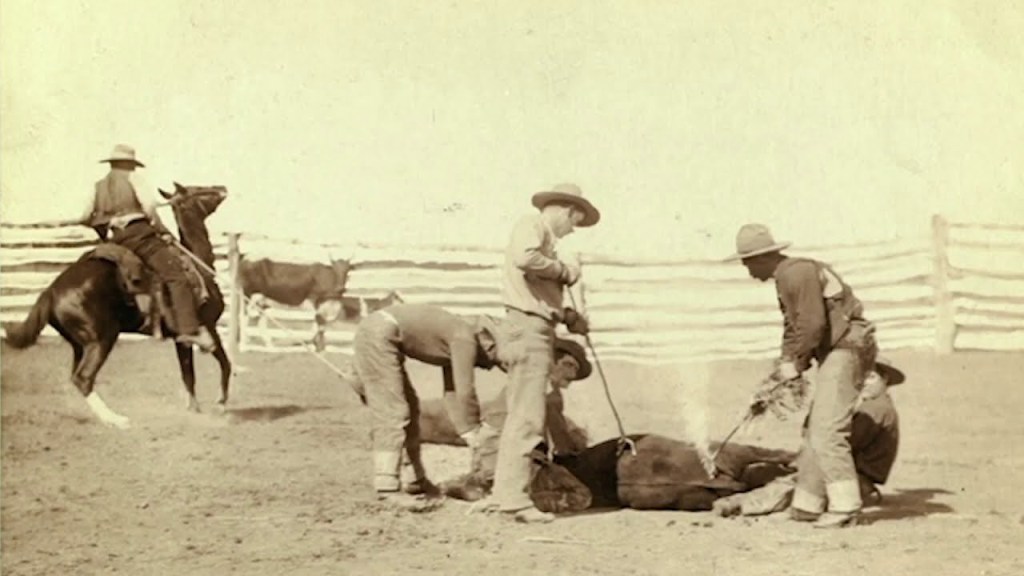
It is also up to the referee to determine whether a character has lived up to the duties of a character’s profession. If not, they may be docked pay or, even, fired. In which case, they may choose to turn outlaw.
There you have it. It’s a little loosey-goosey. But, might be a fun addition to the basic game. If you give it a try, let me know.
Addendum 1:
Received some comments that Boot Hill doesn’t otherwise have the referee set difficulties. Which is true. So, here are some other options for skill resolution where the referee doesn’t need to have that responsibilities.
Option 1:
As with Poker in the gambling section, task resolution is just a contested roll. A player with the skill can either take an automatic +5 or roll less than or equal to their skill level to get a +20. If the +20 is chosen, then failing to roll under skill means task failure. Like with Gambling, this contested roll could be among a group of contestants, or just with the referee.
Option 2:
Gambling remains as per the original rules. Per this proposal, the other skill scores are produced as Abilities are in the rules, that is Roll 1d100 and modify up according to the ability Initial Modification rule on p. 5 of Boot Hill. Then for task resolution, just roll the skill value or less to succeed. This is analogous to the skill resolution method in the Gangbusters RPG.
Addendum 2:
This is an important one. Often the issue isn’t whether a task can be reasonably completed, but whether it can be completed within a specific amount of time. It’s referee discretion whether this is a instantaneous task that might fail or whether it’s a task that is certain of success given enough time. If the latter, used the procedure I outlined here. The linked column is for Call of Cthulhu, but since we are dealing with percentages here as well, I think it basically should work the same.


 Fluid -- Druid
Leave a reply to Raptor Jesus Cancel reply